



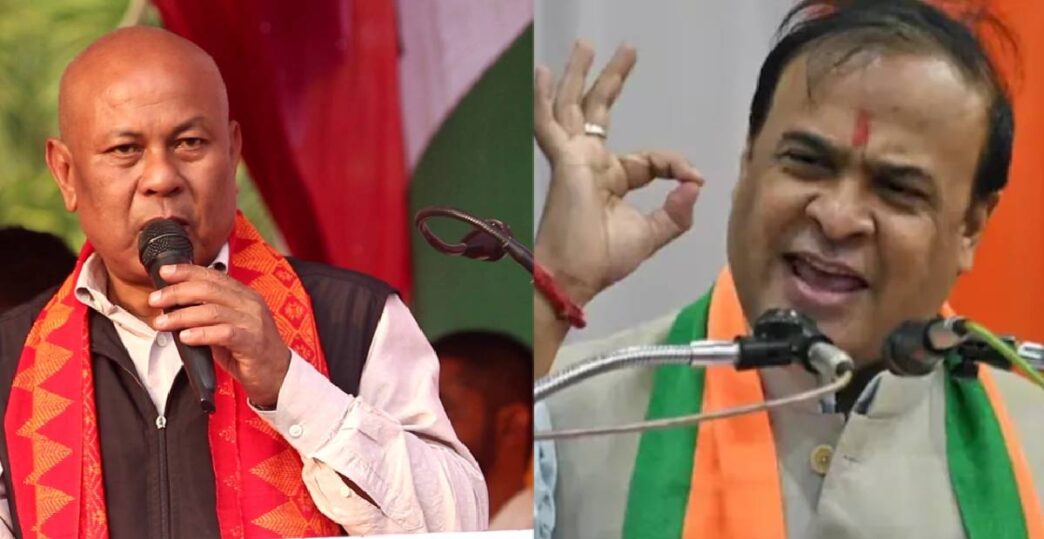
In a move that’s got everyone in Assam talking, the usually cozy alliance between Chief Minister Himanta Biswa Sarma and Bodoland Territorial Council (BTC) chief Hagrama Mohilary is showing some real cracks. It all boils down to polygamy that old, touchy issue about multiple marriages that’s deeply rooted in some tribal customs. When Sarma pushed a tough new bill in the state assembly to slap jail time on anyone doing it elsewhere in Assam, Mohilary gave the green light to polygamy in the BTC region. Even though the bill lets off 6th Schedule areas like BTC, the back-and-forth has folks wondering if this is the start of a bigger fight, especially with the 2026 assembly elections just around the corner.
Mohilary, the veteran leader of the Bodoland People’s Front (BPF), dropped the polygamy bombshell. Speaking to reporters, he said the BTC cabinet had decided to allow men to marry up to two wives. “This isn’t some new fad. It’s about respecting our people’s traditions, passed down for generations. In Bodoland, families have lived this way for centuries. The cabinet looked at it and said, yes, it’s part of who we are. We’re not forcing anyone; it’s a choice that honors our culture.”
He didn’t stop there. Mohilary tied the decision to broader politics, announcing that his BPF would stick with the National Democratic Alliance (NDA) for the 2026 polls. “We’re teaming up with the BJP, Asom Gana Parishad and a few smaller outfits in lower Assam,” he added. “The NDA’s strong, and we’ll make sure it wins big. No doubts about that.” 
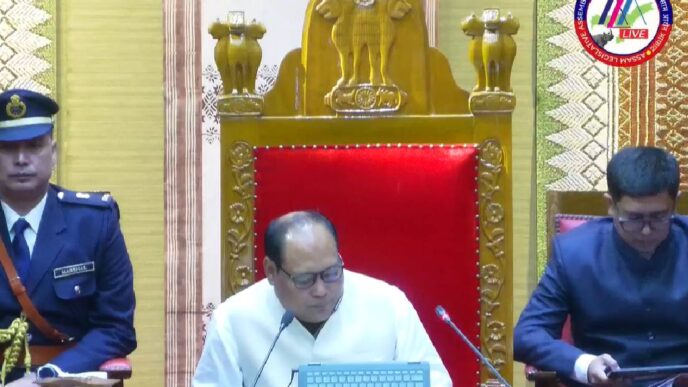
But enter Sarma, the sharp-tongued CM who’s made cracking down on social ills a hallmark of his rule. On the opening day of the winter session in the assembly, he tabled the “Assam Prohibition of Polygamy Bill, 2025.” The bill’s no soft touch. It proposes up to seven years in jail for anyone caught in a polygamous marriage. Hide an existing marriage while tying the knot again? That’s 7 years behind bars. And it doesn’t spare the helpers, village heads, qazis, parents or guardians who cover up or join in could face two years. Convicted folks would lose out on government jobs, welfare schemes and even the right to run in local elections.
In the bill’s “Statement of Objects and Reasons,” signed by Sarma himself, he called polygamy a “scourge” that wrecks families and hurts women the most. “These women suffer deep pain and hardship,” the statement reads. “This law will wipe out the practice and straighten out society.”
On paper, there’s no direct hit on BTC. The bill carves out exemptions for 6th Schedule areas – that’s BTC, Karbi Anglong, and Dima Hasao and for scheduled tribes across the state. Polygamy there stays as is, legally speaking. But that’s where the trouble brews. Mohilary’s open embrace of the practice feels like a thumb in the eye to Sarma’s statewide crusade. And Sarma’s quick move to bring in the new law has left Mohilary’s camp angry, as they feel it interferes in tribal matters.
The rift broke into the open late Tuesday, when Mohilary fired back during a follow-up chat with journalists in Kokrajhar. “The CM’s bill is fine for the plains, but pushing it like this ignores our realities,” he said. “BTC isn’t some backwater experiment. We’re autonomous under the 6th Schedule for a reason to protect our ways. If the state starts questioning exemptions or hinting they’re temporary, that’s a slap to every Bodo family. We’ve fought too hard for our land and customs to let outsiders dictate now.” He added, “I respect Himanta-da, but on this, we’re drawing a line. The NDA alliance is solid, but not at the cost of our soul.”
This isn’t just chit-chat over tea. The two men’s paths have twisted together for decades, full of ups and downs. Mohilary, 65, rose from the rough world of Bodo militancy in the 1990s to lead the BPF and steer the 2020 Bodo Accord that birthed the Bodoland Territorial Region (BTR). Sarma, 56, the BJP’s powerhouse in Assam since 2016, has courted BPF as a key partner in the northeast’s tricky politics. Just months ago, in September, BPF swept the BTC polls with 28 of 40 seats, a big win after a 2020 fallout when Sarma backed a rival UPPL-BJP tie-up. By October, Mohilary was sworn in for his fourth term, with Sarma right there clapping and promising full state support. BPF even rejoined the NDA fold, with one of its MLAs, Charan Boro, snagging a cabinet spot. It looked like old pals back in business, eyeing a 2026 sweep.
But cracks have shown before. The 2020 BTC election split left bad blood, with Mohilary accusing Sarma of betrayal. Whispers of money and muscle play lingered. Now, this polygamy spat feels like déjà vu, a test of how far the alliance can bend before it snaps.
Sarma’s BJP machine isn’t sitting quiet. Party workers in lower Assam say the bill’s a winner with Hindu and urban voters, who see polygamy as a Muslim-linked issue (though Sarma insists it’s not targeted at any group).
As the winter session rolls on, all eyes are on whether Sarma’s bill passes smoothly , it’s expected by month’s end. Meanwhile, Mohilary’s got a packed calendar: development meets with Sarma next week, plus NDA strategy huddles. Insiders whisper of a private dinner soon to hash it out.
For now, though, the air’s thick with unease. What started as a policy nod in BTC has ballooned into a symbol of deeper divides between state power and regional pride, progress and tradition. In Assam’s patchwork politics, where alliances shift like monsoon clouds, this rift could either mend quick or storm into something uglier.