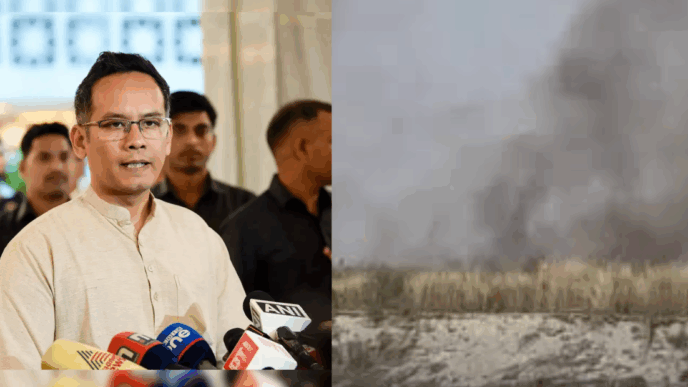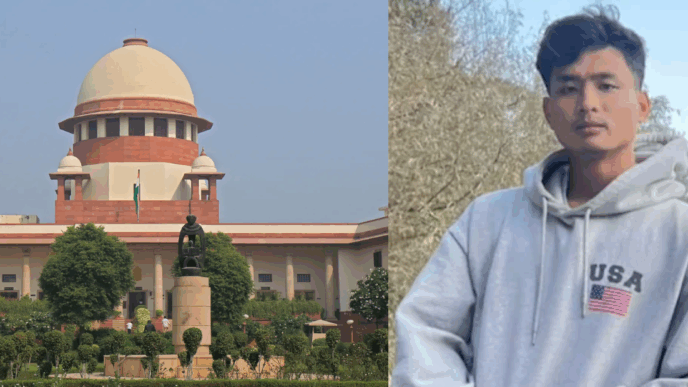




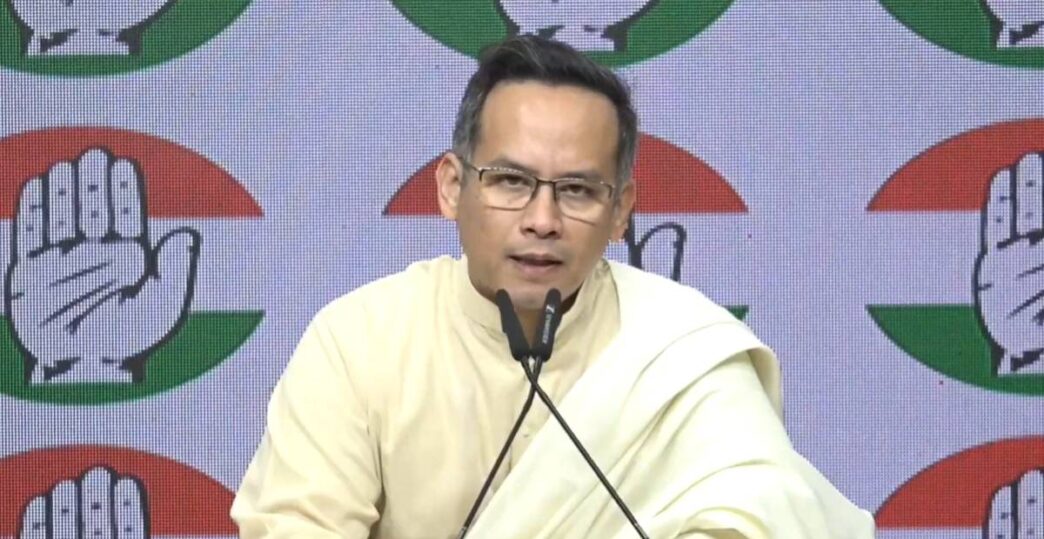
Jorhat Lok Sabha MP Gaurav Gogoi has expressed deep sadness and concern over the death of 24-year-old student Angel Chakma from Tripura, who died in Dehradun after an alleged assault. Speaking to media in Delhi on on the incident, Gogoi said it was painful and shocking that Angel had to say the words, “I am Indian, I am not Chinese,” before he was attacked. He said this tragedy raises serious questions about racism, police response, and the way people from the North-East are still treated in many parts of the country.
According to the account shared by Gogoi, the incident took place on December 9, when Angel and his brother were returning home after buying a few items from the market. It was supposed to be an ordinary day. But during this time, someone reportedly mocked Angel, passed insulting comments, and called him Chinese because of his appearance. Gogoi said such racial taunts have been faced by many people from the North-East in the past, and Angel himself may have faced similar treatment earlier.
However, on that day, Angel did not remain silent. Gogoi said that Angel’s patience had reached its limit. He finally decided to respond and stood up for himself. He told the accused persons clearly that he was Indian and not Chinese, and asked what proof he needed to give to show his identity. Instead of apologising for their behaviour, the group allegedly attacked him. Gogoi said five people reportedly assaulted Angel from behind. After the attack, Angel was seriously injured and fought for his life in hospital for 14 days before he passed away. 
Gogoi said the death of a young student, who had gone to another state in search of education and opportunity, was heartbreaking. He said Angel had gone to Uttarakhand to study like thousands of students from the North-East who travel across the country for higher education. But instead of returning with a degree and dreams for the future, his life ended in tragedy.
The MP also highlighted worrying allegations made by Angel’s family members. According to them, the local police in Dehradun did not act with the seriousness the case demanded. Gogoi said that from the information coming through the media, it appeared that the First Information Report (FIR) was registered only after strong protest by students. Reports suggest that it took nearly 12 days for the FIR to be filed. Although some accused persons were arrested, the main accused is still on the run.
Gogoi said this raised a very important question: when youths from the North-East approach the police in different states, do they always receive fair and urgent treatment? He said this was not just about Uttarakhand or Dehradun. He stressed that the people of Dehradun and Uttarakhand are generally known to be polite and civilised. But cases of prejudice and racial misunderstanding continue to take place in different parts of the country. He also pointed out that even in Assam’s tribal district of Karbi Anglong, people have been subjected to remarks like “Karbi Chinese go back,” which shows that discrimination sometimes happens even within the North-East region.
Gogoi said that incidents like Angel’s death should make society reflect deeply. He questioned whether the education system was doing enough to make people aware of the cultures, languages and history of the North-East. He asked whether people in other parts of India read North-Eastern literature, listen to its music, or try to understand its languages and way of life. According to him, the failure to understand India’s full diversity creates distance, mistrust and harmful stereotypes.
To explain the cultural richness of the region, Gogoi asked people to visit places like Unakoti, the home region of Angel, which is known for its ancient rock-cut sculptures of Lord Shiva. He also referred to Kanaklata Barua, the young Assamese freedom fighter who lost her life while carrying the Indian flag during the Quit India Movement, as a symbol of patriotism from the North-East. He said these examples show that the region has always been an integral part of India’s history and national identity.
Gogoi also criticised how political messaging often focuses on the idea of “One India” but does not always highlight the many cultures and faces within that one nation. He said that when people are not familiar with the diversity of the North-East, they sometimes doubt whether a person from the region is truly Indian. This lack of awareness, he said, can lead to hurtful treatment, racism and violence, as in the case of Angel.
Calling for strict legal action, Gogoi said the case must move quickly through the judicial system. He demanded that those responsible be punished in a fair but firm manner and that the main accused who is absconding must be arrested without further delay. He said the entire country should see that justice is not only promised but also delivered.
The MP further called for an inquiry into why there was a delay in filing the FIR and why public pressure was needed before the police acted. He said it was important to understand whether there were lapses in procedure, negligence or bias. If such problems exist, he said, they must be corrected immediately so that other families do not go through similar pain.
At the same time, Gogoi appealed to society at large to think about how people treat one another based on appearance, language or region. He said that discrimination not only wounds individuals but also weakens national unity. Young people from the North-East leave their homes to study, work and build their futures in different cities. They should feel safe, respected and included wherever they go in India.
Gogoi expressed deep sorrow for Angel’s family, who lost a son in tragic circumstances. He said the country must remember that Angel was not only a student but also a citizen who believed in his Indian identity strongly enough to defend it when questioned. He urged the government, police authorities and society to ensure that such a tragedy is never repeated.