




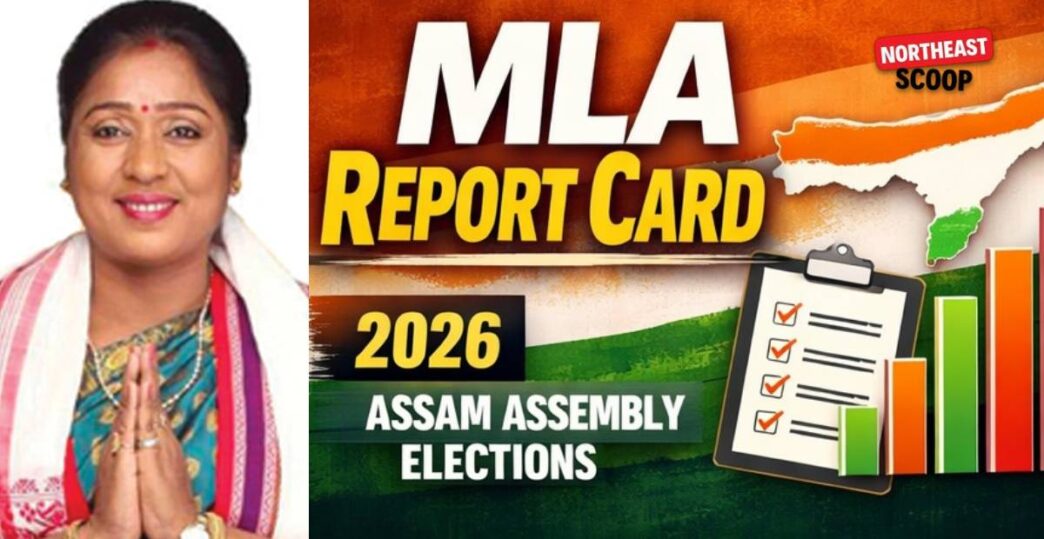
Congress MLA Nandita Das is facing a severe credibility crisis in Boko–Chaygaon, with anti-incumbency assessed as high and cutting across key voter segments. Ground-level sentiment suggests a steady erosion of trust, driven largely by performance deficits rather than political perception.
One of the most damaging factors has been her weak acceptance in the constituency’s tribal areas. Large sections of tribal voters allege prolonged neglect, stating that their developmental concerns and everyday governance issues failed to receive sustained attention during her tenure. This disconnect has significantly weakened her political standing in a region where tribal support is decisive.
Equally notable is her limited personal appeal among minority voters. Despite expectations of strong alignment, she has been unable to build a broad, independent support base. Many voters view her electoral success as organisationally driven rather than the result of consistent grassroots engagement, reinforcing the perception of a leadership gap. 
The education sector stands out as a major fault line. Assurances regarding teacher recruitment in Garo-medium high schools in Lampi and higher secondary institutions across the constituency remain unfulfilled. The lack of follow-through has triggered deep resentment among students, parents and educators, turning education—once a promise of progress—into a symbol of administrative failure.
Adding to the disquiet is the uncertainty surrounding her future electoral eligibility from the constituency, which has further diluted her authority on the ground. Local observers note that this ambiguity has weakened accountability and slowed decision-making, compounding public dissatisfaction.
Overall, Nandita Das’s tenure is being judged harshly by voters. With high anti-incumbency driven by unmet promises, weak constituency connect and declining credibility, the report card from Boko–Chaygaon sends a clear signal: performance, not position, will determine political survival.