



A major cultural event is being prepared in Assam as the Gorkha Development Council gets ready to host a three-day Gorkha Cultural Festival at Tingkhong in Dibrugarh district. The festival will take place on 22, 23, and 24 January 2026 and the goal is to uplift Gorkha culture and bring together different Gorkha communities under one platform. A massive gathering of around one lakh Gorkha people from different parts of Assam and neighbouring states is expeted to attend the event.
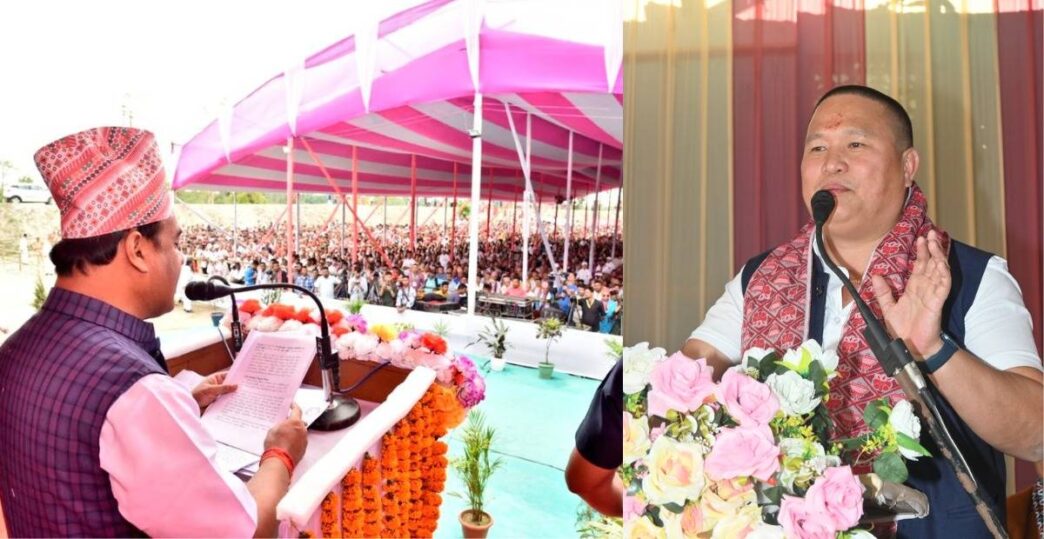
The festival will also have the presence of Assam Chief Minister Himanta Biswa Sarma, who is expected to attend the event as the chief guest. His attendance is seen as an important acknowledgement of the Gorkha community and its cultural identity in Assam. The Gorkha Development Council has also decided to invite Sikkim Chief Minister Prem Singh Tamang and there is a mild possibility that he may attend the festival as well.
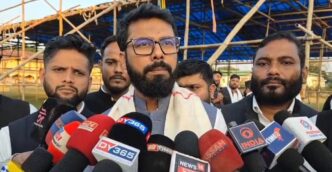
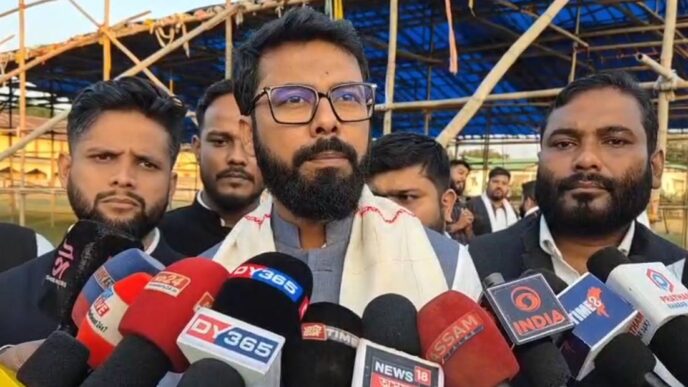
Speaking exclusively to The Himalayan Mirror, Gorkha Development Council Chairman Prem Tamang said the festival is a major initiative to revive and protect the traditional practices of the Gorkha community. He said that the event is not just a cultural show but a conscious effort to pass down traditions to the younger generation. According to him, the richness of Gorkha culture is not fully known even within the community and a large festival like this helps in spreading awareness. 
Tamang said that traditional folk dances performed by different Gorkha communities will be one of the main highlights of the festival. He shared a corrected and detailed list of the dances that will be presented during the three-day event. These include Maruni, a popular Nepali folk dance; Sangini or Sakhi Sangini, a festival dance by married women; Dampuselo or Dhampuselo, which is known among the Kirati community; Syapruŋ or Syabru, a well-known Tamang dance; Sakela Nrittya, an important festival dance of the Rai community; and Koda Nrittya, another traditional Kirati dance form. He said these dances represent the heritage of many sub-groups within the Gorkha community and show the diversity inside the larger Gorkha Mahajati.
Tamang said that there are thirteen caste groups within the Gorkha Mahajati, but many people do not have full knowledge about each other’s traditions. He said that the festival aims to fill this gap by encouraging cultural exchange among the different groups. According to him, many old dance traditions like Korwa Nrittya and Silly Nrittya are slowly disappearing, mainly because the younger generation is not aware of them. He said that the festival is an opportunity to reconnect with these traditions and bring them back into regular cultural practice.
One of the important activities planned before the festival is the Karmasala, which is a cultural workshop where participants learn traditional dances, songs, and rituals. Tamang said that the Karmasala helps young people gain skills and understand the deeper meaning of their cultural practices. He said that after the Karmasala, all the trained participants will be brought together at the festival grounds for the main performances. According to him, the idea of the Karmasala is to protect cultural knowledge and ensure that it continues for future generations.
Tamang also said that the festival is not only about dance and celebration but also about unity. He said that every caste group within the Gorkha community has its own culture, but events like this help create a sense of belonging among all groups. He said that the festival will show how cultural awareness can bring different groups together and strengthen the identity of the Gorkha Mahajati. According to him, unity is one of the main aims of the cultural festival.
Preparations for the event are already underway at Tingkhong. Local volunteers are working to set up the grounds, stages, rehearsal areas, and accommodation arrangements. The organisers are expecting people to travel from different districts to attend the festival, so they are planning transport and crowd-management systems on a large scale.