




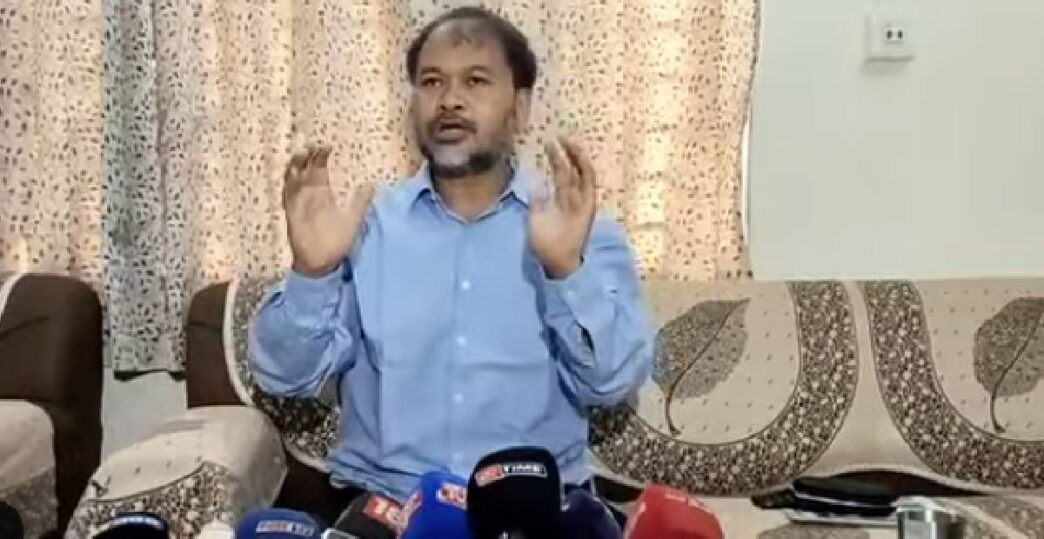
Raijor Dal president Akhil Gogoi on Sunday called for swift and strict justice in the case of Assam’s iconic singer Zubeen Garg and sharply criticized the state government’s handling of the investigation. Speaking at a press conference, Gogoi said that real justice for Zubeen Garg would depend on two things.
“First, if the case is confirmed as a murder under Section 100 of the BNSS, the accused should face the maximum punishment, which is the death penalty,” Gogoi said. He added, “Second, if the death happened due to negligence and not intentional murder, then the accused must face life imprisonment under Indian law.”
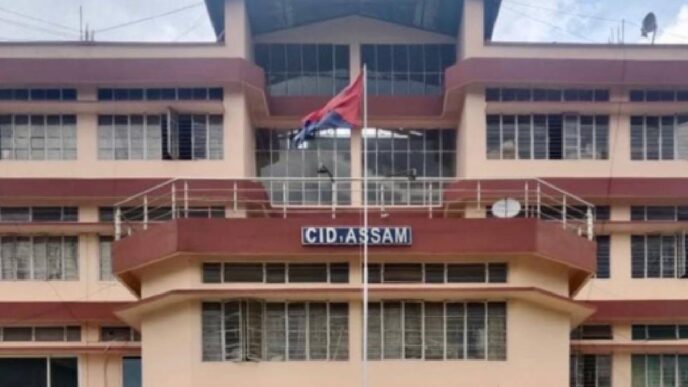
Gogoi questioned the way the Assam government is overseeing the ongoing probe by the Special Investigation Team (SIT) and the Criminal Investigation Department (CID). “With the current handling, Zubeen Garg cannot hope for real justice,” he said, pointing to procedural lapses in the investigation. 
He highlighted concerns over international cooperation, particularly if the case involves foreign jurisdictions such as Singapore. “If foreign jurisdictions are involved, the investigation must follow proper legal channels under the Mutual Legal Assistance Treaty (MLAT), not direct communications via CID,” Gogoi said. He alleged that previous attempts by Assam authorities bypassed the proper legal process, weakening the investigation.
Gogoi also raised questions about a cultural event in Singapore organized under the Indian External Affairs Ministry and the High Commission of India there. He demanded the Assam government look into who financed the event, noting that while Shyamkanu Mahanta was involved, the financial arrangements needed proper scrutiny.
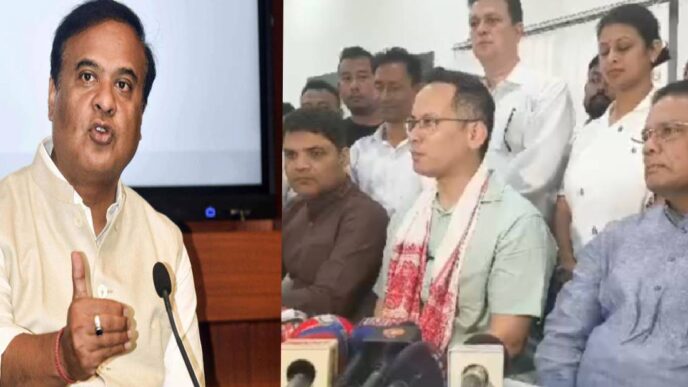
The Raijor Dal leader directly criticized Assam Chief Minister Himanta Biswa Sarma, saying the state government’s approach appeared to favor certain individuals and had been misguided. He stressed the need for a thorough, on-ground investigation, including field visits and interviews in Singapore if necessary.
Gogoi urged the Central Government to take over the case and hand it to the CBI to ensure transparency. “Investigations should be conducted face to face, not through video calls,” he said.