



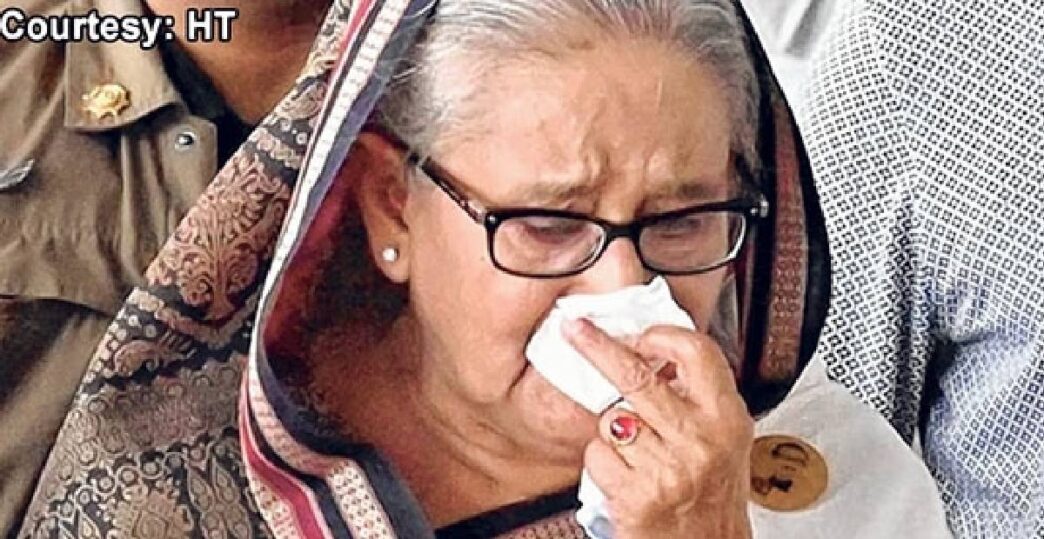
Bangladesh is witnessing an unprecedented level of tension and security alert as the country awaits a landmark verdict in the trial of former Prime Minister Sheikh Hasina. The 78-year-old ex-leader faces charges of crimes against humanity, stemming from a violent crackdown on a student-led uprising in 2024 that led to widespread unrest and hundreds of deaths.
The International Crimes Tribunal–Bangladesh (ICT-BD) is set to deliver its ruling on Monday. Prosecutors have sought the death penalty for Hasina and her former Home Minister, Asaduzzaman Khan, who is currently absconding. Both are being tried in absentia, while a third accused, former police chief Chowdhury Abdullah Al-Mamun, who is in custody, pleaded guilty and is cooperating with the court.
The charges against Hasina include failure to prevent murder and other acts that qualify as crimes against humanity under Bangladeshi law. The trial has heard months of testimony alleging that she ordered mass killings during the student-led protests in July and August 2024, which ultimately led to her ouster after a 15-year tenure. According to UN reports, up to 1,400 people were killed in the violence, while the interim government’s health adviser reported more than 800 deaths and around 14,000 injuries. 
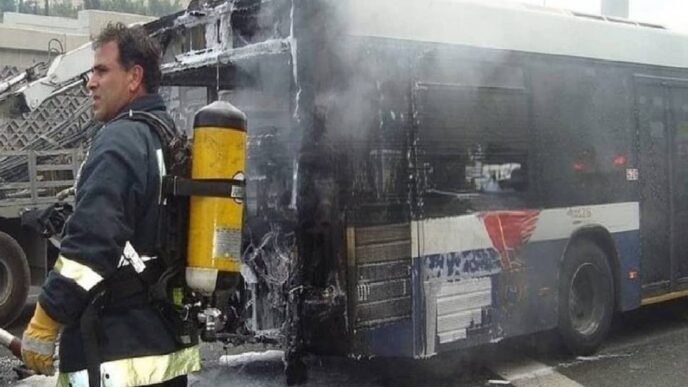
Ahead of the verdict, Dhaka has seen heightened security and a sense of unease. Streets in the capital, usually bustling on weekday mornings, remained eerily empty, with only a few cars and rickshaws moving through heavily monitored intersections. The calm follows a night marked by sporadic arson and crude bomb attacks, including explosions outside the residences of advisory council members of the interim government led by Chief Adviser Muhammad Yunus.
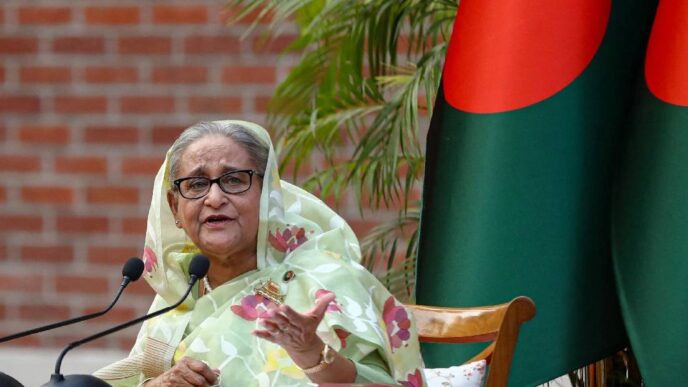
Sheikh Hasina, currently in exile in India, has dismissed the charges against her as false. In an interview, she said she did not fear the court’s decision, adding, “Allah gave life, He will take it.” She also described her removal from power on August 5, 2024, as painful, citing the destruction of her family home and what she called state-sanctioned attacks on minorities and democratic institutions.
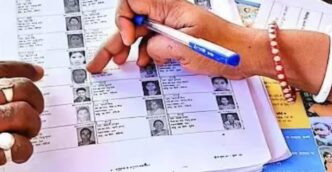
The political situation in Bangladesh has remained unstable since Hasina’s removal. The country is preparing for elections in February 2026, and campaigning has already been marred by violence and clashes.
Security forces have been deployed across key areas, including roads, public spaces, and government offices. Authorities have urged residents to stay indoors and avoid non-essential travel. Despite the heavy security, isolated incidents of violence have continued, signaling the fragile situation on the ground.
Hasina’s trial and the verdict carry enormous political weight. She remains a prominent figure in Bangladesh politics, and her supporters have expressed concern over the fairness of proceedings conducted in her absence. Meanwhile, the interim government and prosecutors emphasize that the trial is a matter of justice for the victims of the 2024 unrest.