



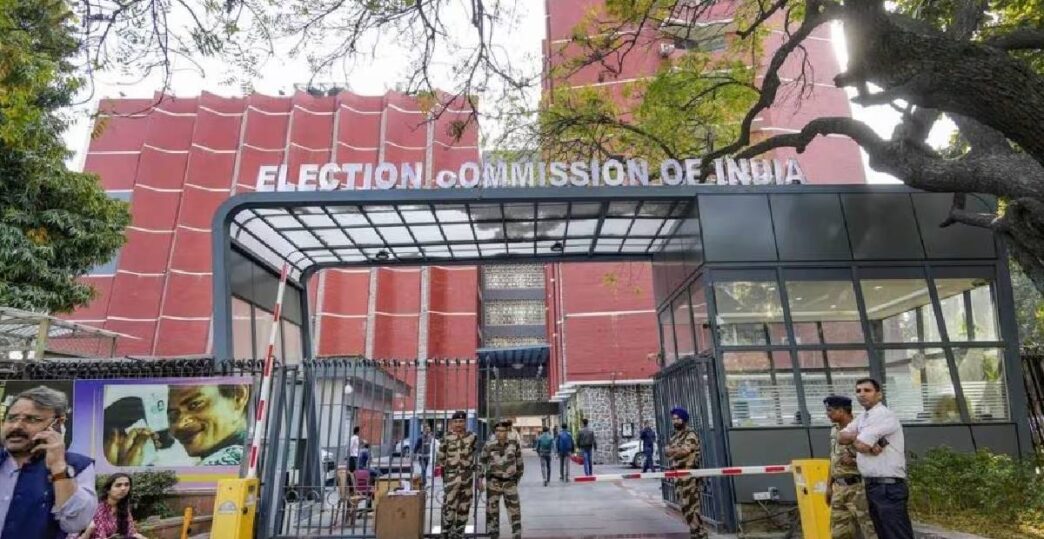
The Election Commission of India (ECI) on Monday announced the start of Phase 2 of the Special Intensive Revision (SIR) of electoral rolls in 12 states. The aim of this exercise is to ensure that every eligible voter is included in the list and that no ineligible or duplicate name remains on it.
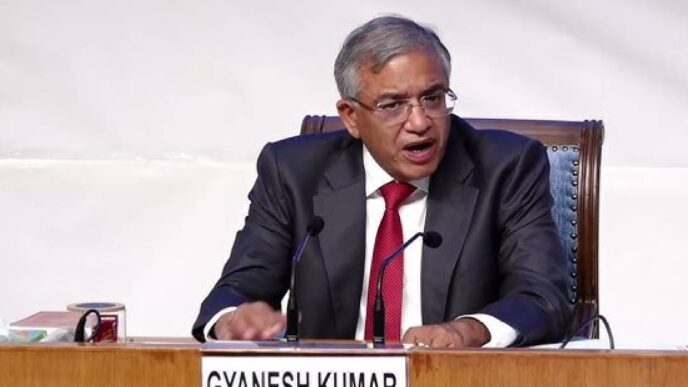
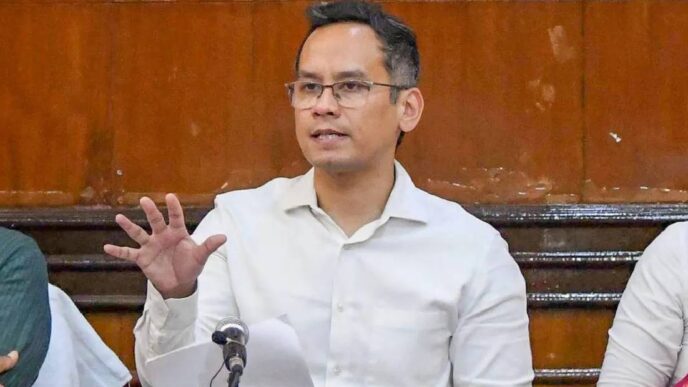
Chief Election Commissioner Gyanesh Kumar, addressing a press conference in New Delhi, said the initiative is part of the Commission’s continuous effort to maintain clean and accurate voter rolls across the country. “Enumeration forms will be pre-filled with already available details, including information from previous SIR exercises. All Chief Electoral Officers and District Electoral Officers have been directed to meet political parties and brief them on the process by day after tomorrow,” he stated.
He also said that Booth Level Officers (BLOs) will visit every household three times to collect and verify voter details. To help people who have moved to other places, the Election Commission has introduced an online option for submitting enumeration forms. Kumar added that the training of polling officials for Phase 2 of SIR will begin on Tuesday. 
The Chief Election Commissioner emphasized that the SIR process is aimed at inclusion and transparency. “This revision will make sure no eligible elector is left out and no ineligible elector is included,” he said. Electoral rolls in the concerned states will be frozen at midnight on October 27, and each voter will be issued a unique enumeration form.
The first phase of the Special Intensive Revision was completed earlier this year in Bihar, where around 7.42 crore names were included in the final roll. The Election Commission said that after careful review and appeals, 42 lakh names were removed from the list due to duplication, migration, or death. The Commission noted that the Bihar process had zero appeals, marking a smooth and transparent exercise.
Chief Election Commissioner Gyanesh Kumar, along with Election Commissioners Sukhbir Singh Sandhu and Vivek Joshi, addressed the media to announce the detailed schedule of Phase 2. As per the plan, training of officials will start immediately, filling of enumeration forms will begin on November 4, and the final draft voter roll will be published on February 7, 2026.
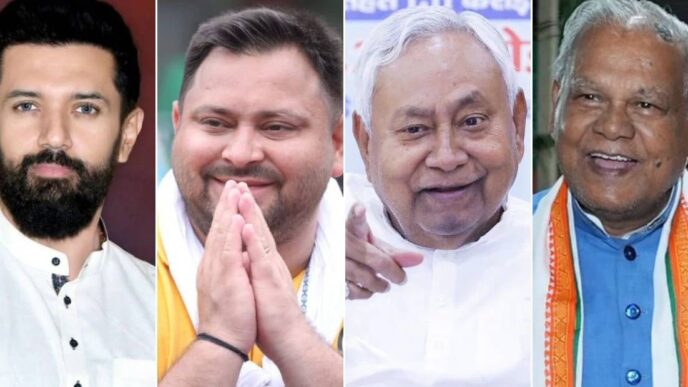
Union Minister Jitan Ram Manjhi, reacting to the announcement, said that the SIR is vital to bring sanctity and transparency to Indian politics. “For sanctity in politics, SIR is very important. We have been demanding a countrywide revision because it ensures a fair and transparent voter list,” he said.
Meanwhile, some opposition leaders have expressed caution. Jammu and Kashmir Chief Minister Omar Abdullah said the Election Commission should not rush into a nationwide revision and should wait for the Bihar Assembly elections to conclude before expanding the process.
Janata Dal (United) leader Neeraj Kumar also highlighted the need to update electoral rolls, noting issues such as duplicate and deceased names on the voter list. He added that while some parties have opposed the procedure, the judiciary has upheld the Election Commission’s authority to conduct such revisions.
According to officials, states like Uttar Pradesh, Tamil Nadu, Kerala, and West Bengal will be part of Phase 2, while snow-bound regions such as Jammu & Kashmir, Himachal Pradesh, Uttarakhand, Sikkim, and Ladakh have been left out for now due to weather conditions and logistical reasons.
The Election Commission clarified that states like Maharashtra, which are set to hold local body elections by January 2026, will also be excluded from this phase.
Earlier this year, when the first phase of SIR was conducted in Bihar, the Commission made the submission of proof of citizenship mandatory for new voters. The move was intended to identify illegal immigrants, duplicate entries, and deceased voters. While the initiative drew criticism from some opposition parties, the Supreme Court upheld the Election Commission’s authority to carry out the revision, calling it essential for the integrity of India’s democratic process.
The ECI said that the second phase will follow the same systematic and transparent approach as the Bihar model. Every district administration has been instructed to ensure wide publicity so that all eligible voters can verify their details and participate in the revision process.
The Commission also held a series of meetings with Chief Electoral Officers from all 36 states and union territories earlier this month to finalize operational details. Political parties were invited to share their suggestions and concerns, many of which, according to officials, have been taken into account while designing the second phase rollout.
The Special Intensive Revision is a crucial step ahead of several upcoming state elections and the next general elections. It is aimed at ensuring that the electoral process remains free, fair, and representative of all citizens.