



By Alisha Purti
India’s education system, with over 260 million students and a shortage of 1.2 million teachers, is at a turning point. Generative AI tools like AI tutors or content creators can make learning personal and exciting, especially for students in remote areas. According to the World Economic Forum (WEF), GenAI can transform education, but only if businesses focus on fairness and learning, not just profits. In India, where only 24% of rural areas have internet and many students learn outside classrooms, aligning GenAI with education goals is crucial.
Why Alignment Matters in India
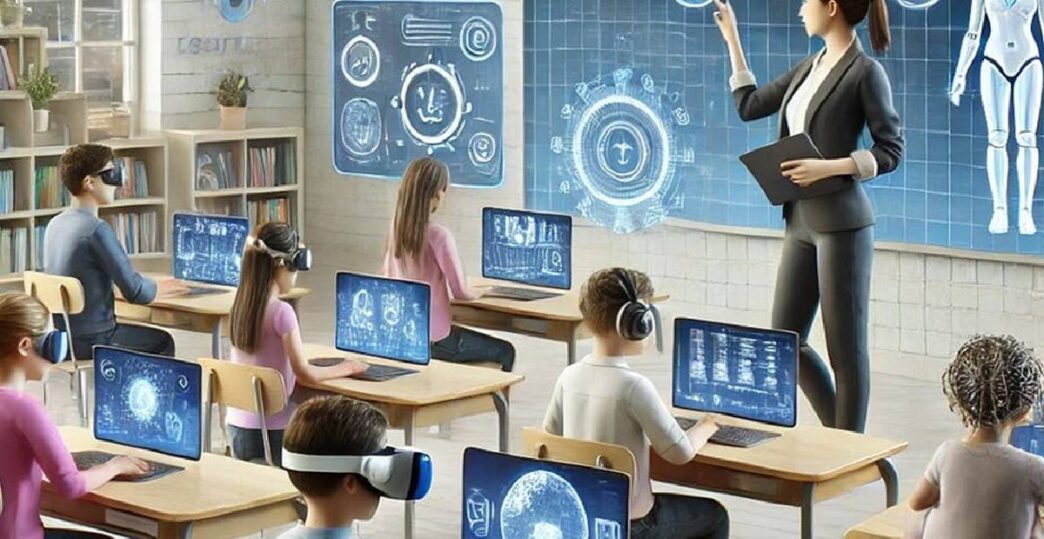
India’s schools and colleges face big challenges: not enough teachers, outdated teaching methods, and unequal access to technology. For example, only 57% of schools have computers, and rural students often miss out on digital tools. GenAI can help by creating lessons tailored to each student, like explaining math in Hindi or Assamese for rural kids. But if businesses only chase money, AI might widen gaps; urban students get fancy apps while rural ones get left behind. The WEF warns that without careful planning, AI could harm learning by encouraging cheating or ignoring India’s 22 languages and diverse cultures. Aligning GenAI means making sure it helps all students grow smarter, not just a few.
How India can make GenAI a friend to education 
Big companies like Byju’s or Google should work with the government to make cheap AI apps. For example, the IndiaAI Mission (with ₹10,000 crore) can fund AI tutors for 50 million rural students, like apps teaching science in local dialects.
India needs rules to keep GenAI safe, like checking for bias or protecting student data (80% of AI tools raise privacy worries). The WEF’s AI Governance Alliance suggests guides for companies, which India can use to ensure AI is fair.
Schools should teach kids how to use AI, like coding or spotting fake news. In Indian B-schools, 55% of programs use GenAI for lessons, and schools can copy this to prepare students for AI jobs, which could create 69 million roles by 2028.
With India’s open tech like UPI, GenAI can be affordable for rural schools. For example, AI apps on phones could teach 20-30% better in Hindi-medium schools, helping close the urban-rural gap.
Only 24% of rural India has internet, and AI risks like deepfakes worry 25% of users. But the opportunities are huge; GenAI could close India’s $1.5 trillion skill gap and help 377 million young learners.
GenAI can change India’s education by making it personal, fair, and future-ready, but only if businesses and schools work together.
About the author:
Alisha Purti is a media professional with experience in news production, digital storytelling, and content strategy. Having worked with Doordarshan Kendra and Inside Northeast, she brings a keen understanding of how narratives shape public perception. Passionate about creativity and social impact, she explores the intersection of media, technology, and culture in her writings.