





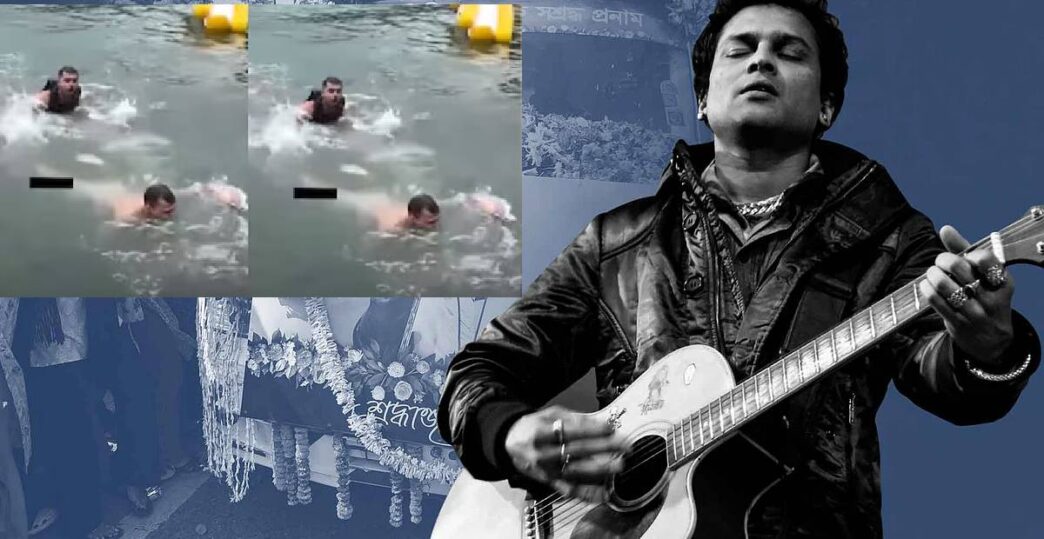
The mystery surrounding the death of popular Assamese singer Zubeen Garg has deepened further following claims about the level of alcohol found in his blood at the time of death. According to information being circulated, the alcohol concentration in his blood was reportedly 333 milligrams per 100 millilitres, a level that medical experts describe as extremely high and dangerous.
This disclosure has raised disturbing questions that remain unanswered.
Medical understanding suggests that for a person weighing around 65 kilograms, such a high blood alcohol level is possible only if the person consumed 11 to 12 pegs of whisky or vodka, each of medium measure (45–50 ml), within a short span of about two hours. If alcohol was consumed even before boarding the yacht, the total intake could rise to 14–15 pegs. In the case of beer, it would mean 9–10 large bottles in the same period. 
This leads to a basic but critical question: Does anyone drink voluntarily at such a pace?
Experts say that at this level of intoxication, a person would struggle to stand, would lose balance, and could easily lose consciousness. Swimming, let alone jumping into water deliberately, would be almost impossible. In such a physical condition, normal body coordination simply does not function.
So how did Zubeen Garg end up in the water?
Another key point that has drawn attention is the lack of clarity regarding undigested alcohol in the stomach. Knowing how much alcohol remained in the stomach could have helped determine whether a large quantity was consumed suddenly just before entering the water. This detail, however, has not been made public.
This has led to a troubling possibility being discussed: Was a large amount of alcohol given to him all at once shortly before he entered the water for the final time? If so, who provided it? And under what circumstances?
The timing is also crucial. How long was Zubeen actually in the water before the drowning occurred? Was there a delay in rescue? Was anyone watching?
Observers have pointed out that blood alcohol tests of everyone present on the yacht should have been conducted. Such tests could have revealed who had been drinking, who had not, and who may have been in a position to assist. Without this information, it is impossible to fully understand the environment and decisions made during those critical moments.
Another issue concerns the findings released so far by the Singapore coroner’s court. The stated possible cause of death has not provided clear answers. While it is medically possible for a drowning victim to remain floating on the water surface, experts say this is not common.
More importantly, reports indicate that Zubeen Garg did not suffer a cardiac arrest. This detail is significant. If he was lifted out of the water while still on the surface and if timely help had been provided, there was a strong possibility that his life could have been saved.
This raises one more uncomfortable question: Was there a missed chance to rescue him?
As of now, many facts remain unclear, and several questions remain unaddressed. The alcohol level, the manner of consumption, the role of others present, the exact sequence of events in the water, and the response time; all demand closer examination.